Pukeahu National War Memorial Park

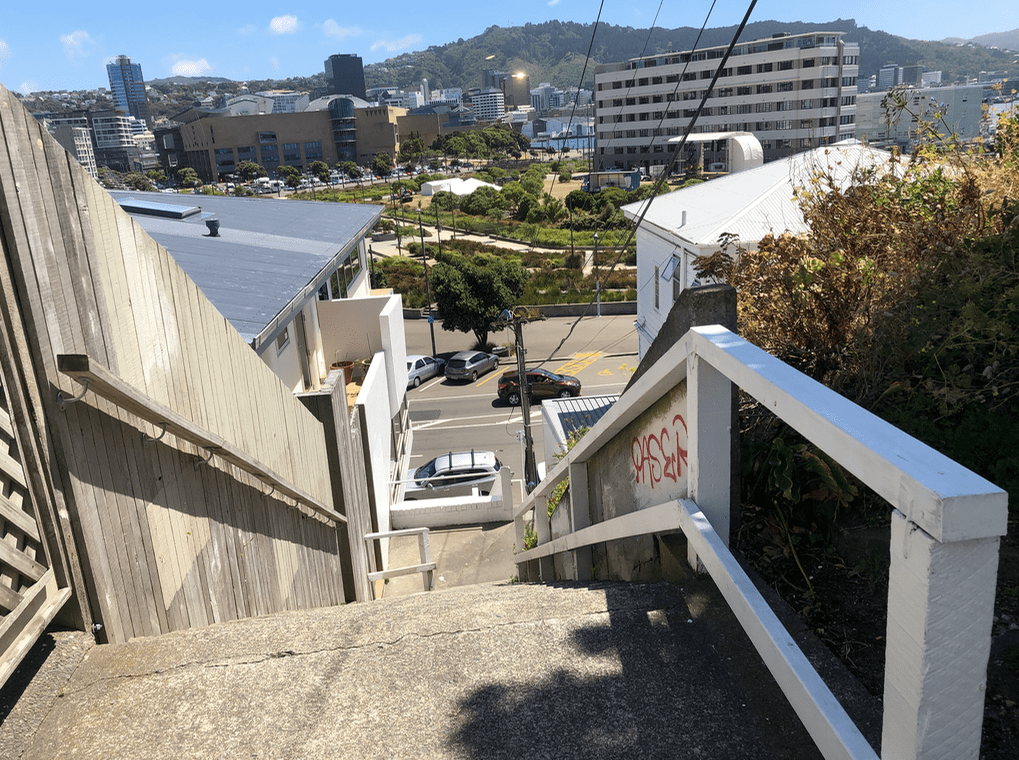
FIND THESE STEPS – The Memorial Park is between Taranaki and Tory Streets, with the Arras Tunnel below the Park

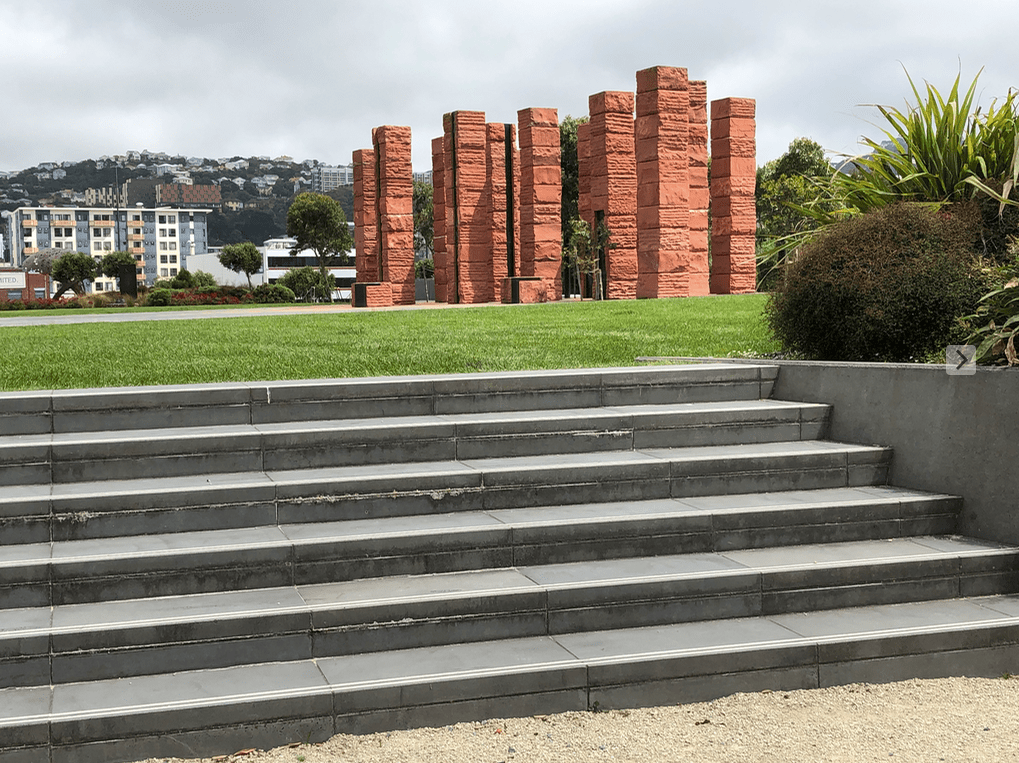
The War Memorial was opened on Anzac Day, 25 April 1932, and the recently developed Pukeahu National War Memorial Park was opened for the centenary of World War I in 2015. The Park has several levels, with lots of steps.

screen shot 2019-01-17 at 1.51.26 pm


screen shot 2019-01-17 at 1.48.30 pm


screen shot 2019-01-17 at 1.49.27 pm

screen shot 2019-01-17 at 1.50.22 pm

screen shot 2019-01-17 at 1.57.42 pm

screen shot 2019-01-17 at 1.51.13 pm

screen shot 2019-01-17 at 1.51.44 pm

screen shot 2019-01-17 at 1.52.04 pm

screen shot 2019-01-17 at 1.52.41 pm

screen shot 2019-01-17 at 1.52.55 pm

screen shot 2019-01-17 at 1.53.52 pm

screen shot 2019-01-17 at 1.54.11 pm

screen shot 2019-01-17 at 1.54.30 pm

screen shot 2019-01-17 at 1.54.58 pm

screen shot 2019-01-17 at 1.55.15 pm

screen shot 2019-01-17 at 1.55.46 pm

screen shot 2019-01-17 at 1.56.07 pm

screen shot 2019-01-17 at 1.56.53 pm

screen shot 2019-01-17 at 1.57.04 pm

Just behind the Australia memorial in this photo is Martin Square, named for John Martin, wh founded Martinborough, and according to Caitlin Salter in the Wellingtonian, the Wellington streets Jessie, Elizabeth and Marion were named for his daughters.

Basin Reserve Cricket Ground

FIND THESE STEPS – The Basin Reserve is now in the middle of a giant roundabout with Adelaide Road to the south, Cambridge and Kent Terraces to the north, and Buckle Street and Rugby Street forming the sides. That’s the Basin Reserve ahead of you when you leave the Mt Victoria Tunnel coming from the Wellington airport.

screen shot 2019-01-17 at 1.59.57 pmSteps to the Wakefield Memorial, with Mt Vic tunnel behind you.


The Wakefield Memorial was originally inside the Basin Reserve, then moved outside in 1917, and then moved inside in 2006. The memorial to William Wakefield, a principal of the New Zealand Company, was built in England in the 1850s, and placed in the Basin Reserve in 1882.


screen shot 2019-01-17 at 1.58.01 pm
Steps leading to the RA Vance Stand, with TV trucks ready to broadcast a cricket test.
screen shot 2019-01-17 at 1.58.54 pm
Looking toward the Museum Stand
screen shot 2019-01-17 at 1.58.37 pm
Practical, wooden steps from the car park to the Vance Stand

The Basin Reserve Pavilion, now called the Museum Stand, was built in 1924 and has been closed to the public from earthquake safety concerns since 2012, and will soon be restored by Wellington City Council.

screen shot 2019-01-17 at 1.59.12 pm

The grand steps to the New Zealand Cricket Museum – closed now for the renovations until 2020.

screen shot 2019-01-17 at 2.00.34 pm

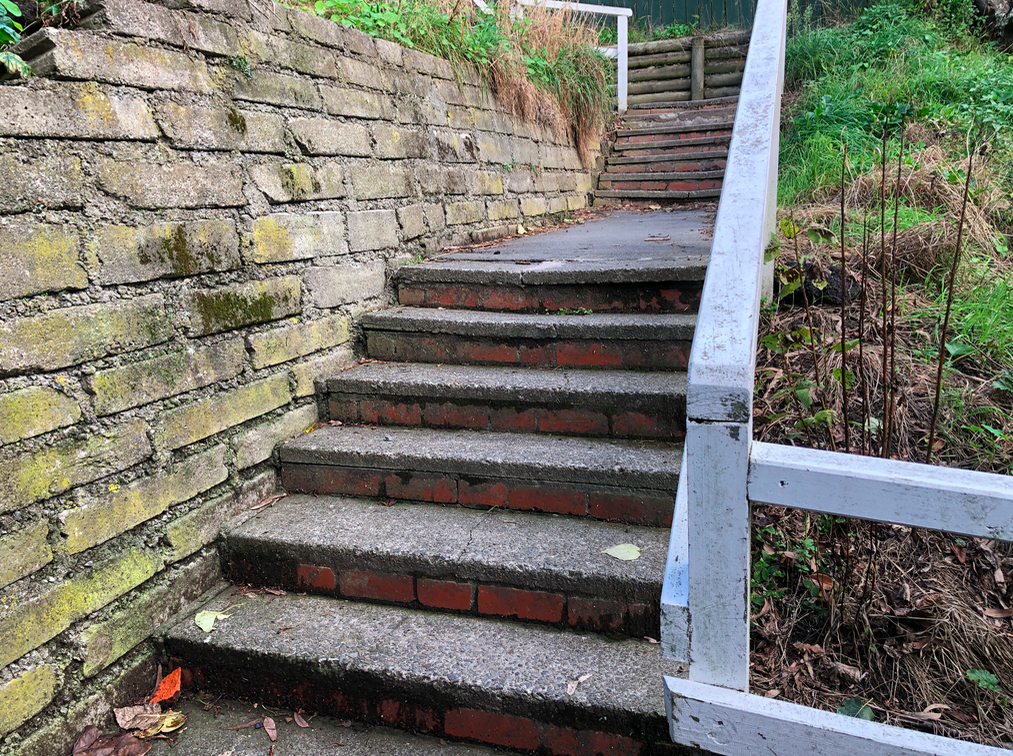
Grass Street Steps

FIND THESE STEPS – Grass Street is another set of stairs leading off Oriental Parade, at No 262, and from the top at 50 The Crescent.

Screen Shot 2019-04-09 at 11.39.44 AM

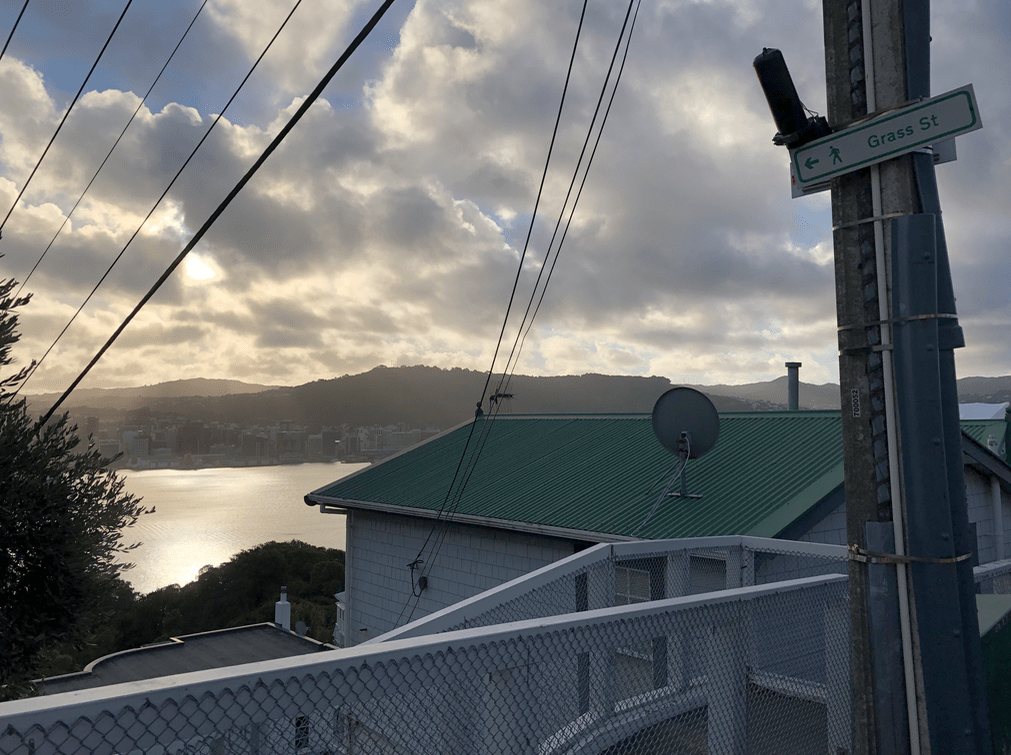
In 1841, according to Ms Irvine-Smith, Grass Street led through a grass reserve. Now it is short cut to the street above on Mt Victoria, The Crescent, as well as entry to the Southern Walkway.

It is a series of steps and pathways forming tiers of zig-zags, with four benches along the way, and a terrific view of the harbour along the way, and at the top. A favourite of runners, it is a spectacular alternative to the gym.

It may be that the steps are result of a citizen’s plea in the Evening Post to City Council in 1901:

Screen Shot 2019-04-20 at 7.55.51 PM

(Paperspast, National Library of New Zealand Te Puna Matauranga O Aotearoa)

Screen Shot 2019-04-20 at 8.00.11 PM

Screen Shot 2019-04-09 at 11.40.04 AM

Screen Shot 2019-04-09 at 11.40.30 AM

Screen Shot 2019-04-09 at 11.40.52 AM

Screen Shot 2019-04-09 at 11.41.37 AM

Screen Shot 2019-04-09 at 11.50.09 AM

The Southern Walkway crosses the steps.

Screen Shot 2019-04-09 at 11.41.50 AM

Screen Shot 2019-04-09 at 11.42.00 AM

Screen Shot 2019-04-09 at 11.49.52 AM

Screen Shot 2019-04-09 at 11.42.36 AM

Screen Shot 2019-04-09 at 11.43.06 AM

Screen Shot 2019-04-09 at 11.49.36 AM

Screen Shot 2019-04-09 at 11.43.27 AM

Screen Shot 2019-04-09 at 11.43.40 AM

Screen Shot 2019-04-09 at 11.43.57 AM

Screen Shot 2019-04-09 at 11.48.48 AM

Screen Shot 2019-04-09 at 11.44.26 AM

Screen Shot 2019-04-09 at 11.49.14 AM

Screen Shot 2019-04-09 at 11.44.45 AM

Screen Shot 2019-04-09 at 11.45.22 AM

Screen Shot 2019-04-09 at 11.45.36 AM

Screen Shot 2019-04-09 at 11.47.16 AM

Screen Shot 2019-04-09 at 11.46.53 AM


Oriental Terrace ZigZag

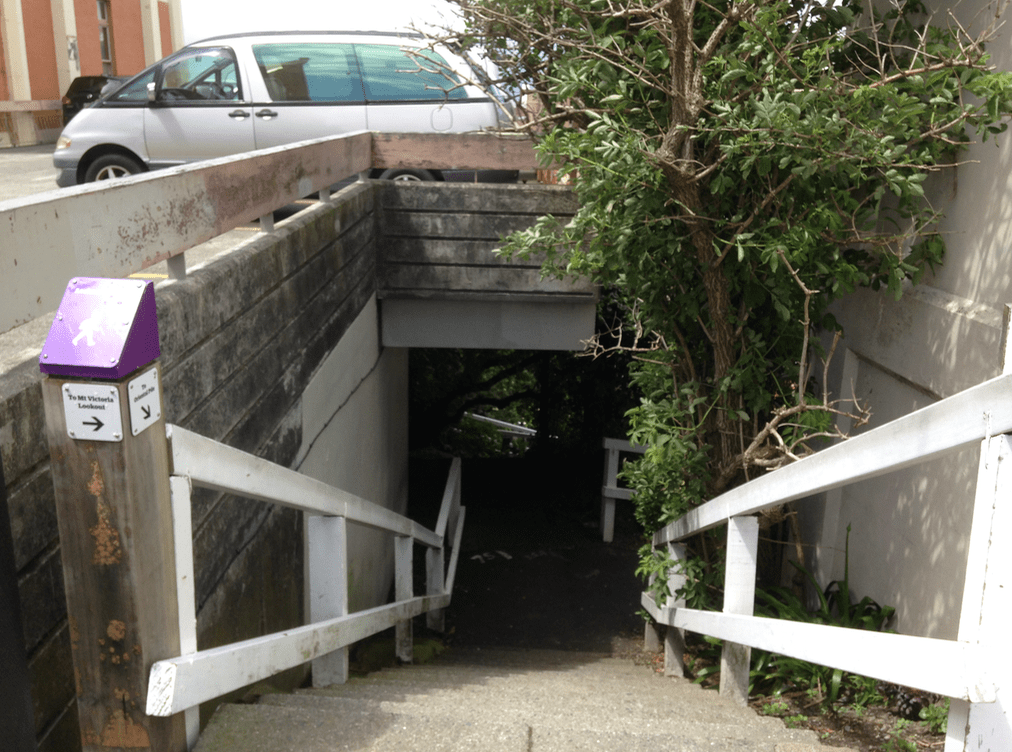
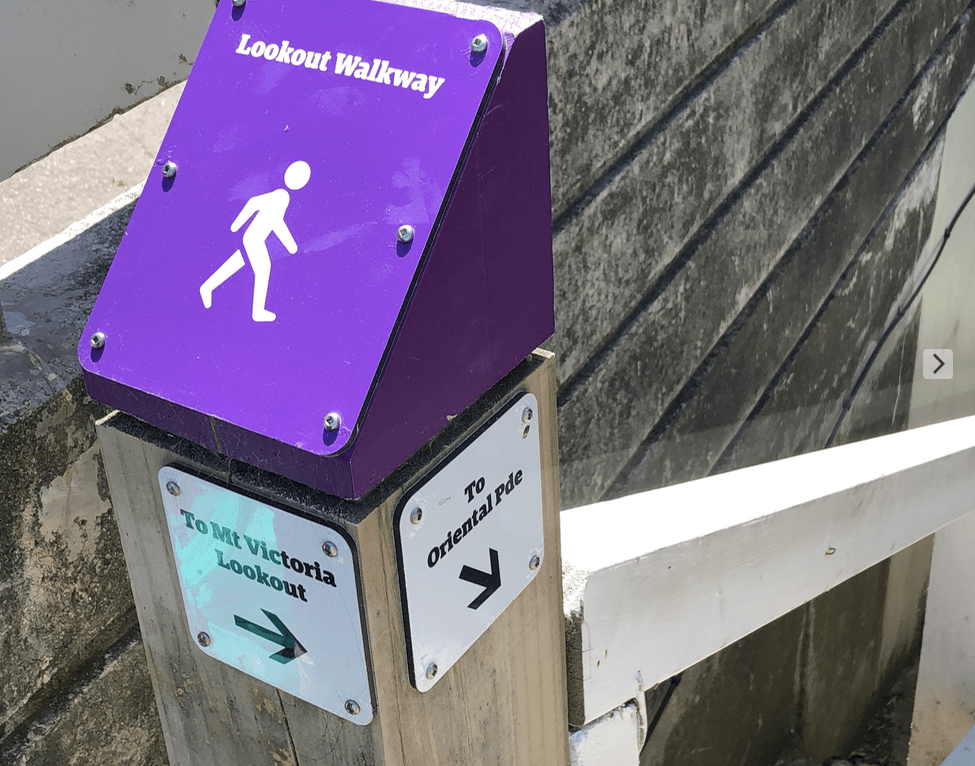
FIND THESE STEPS – Oriental Terrace shoots off Oriental Parade at 212 The Parade, behind the public toilets visible from the waterfront. The steps begin at No 20 Oriental Terrace from the lower level, and the intersection of Hawker and Moeller Streets at the top level, beside Saint Gerards Catholic Church and Monastery.

Screen Shot 2019-03-26 at 11.16.01 AMThe view from Oriental Terrace, with St Gerard’s Church on the right.


Whalers once boiled blubber on Oriental Parade, when it was known as Clyde Quay, but now it is a line of shops, historical and new residential buildings, and, fortunately, an expanse of sandy beach.

The Parade and the Terrace are named for The Oriental, a barque, one of the original ships carrying the new colonists to Wellington and arriving the last day of January, 1840.

So much happened in 1840 in New Zealand, and in Wellington, and a young queen was on the throne of England, and for her the new colonists named the hill above Oriental Parade,  Mt Victoria.

A wonderful blog – the oriental terrace zigzag – gives the history of the zigzag.


Screen Shot 2019-04-21 at 4.32.47 PM

The bus stop on Oriental Parade, steps to Oriental Terrace to the right.

Screen Shot 2019-04-21 at 4.23.30 PM

Screen Shot 2019-04-21 at 4.23.42 PM

Screen Shot 2019-04-21 at 4.33.03 PM

Screen Shot 2019-04-21 at 4.33.24 PM

Screen Shot 2019-03-26 at 11.16.01 AM

screen shot 2019-01-17 at 4.41.30 pm

screen shot 2019-01-17 at 4.42.48 pm

screen shot 2019-01-17 at 4.42.37 pm


Screen Shot 2019-03-26 at 11.16.48 AMBit of a scruffy underside to St Gerard’s church.

Screen Shot 2019-03-21 at 2.25.28 PM

Screen Shot 2019-03-26 at 11.17.20 AMAt the Top of the stairs – looking down Hawker Street, toward Marjoribanks Street; Moeller Street intersects at the left. The succession of step streets are on the left going down the hill – Kennedy, McIntyre, Doctors Common, Vogel.

Screen Shot 2019-03-15 at 9.52.14 AMThe not-very-flash entrance to Oriental Terrace zig-zag, from Hawker Street.

screen shot 2019-01-17 at 4.43.31 pm


Prince Street

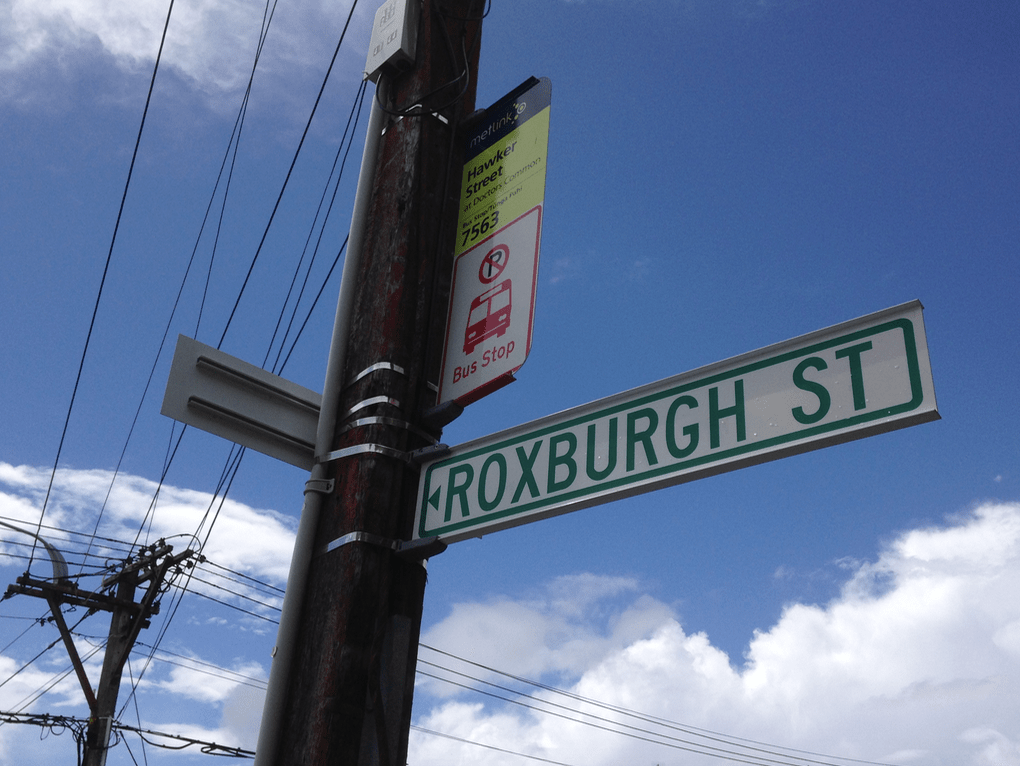
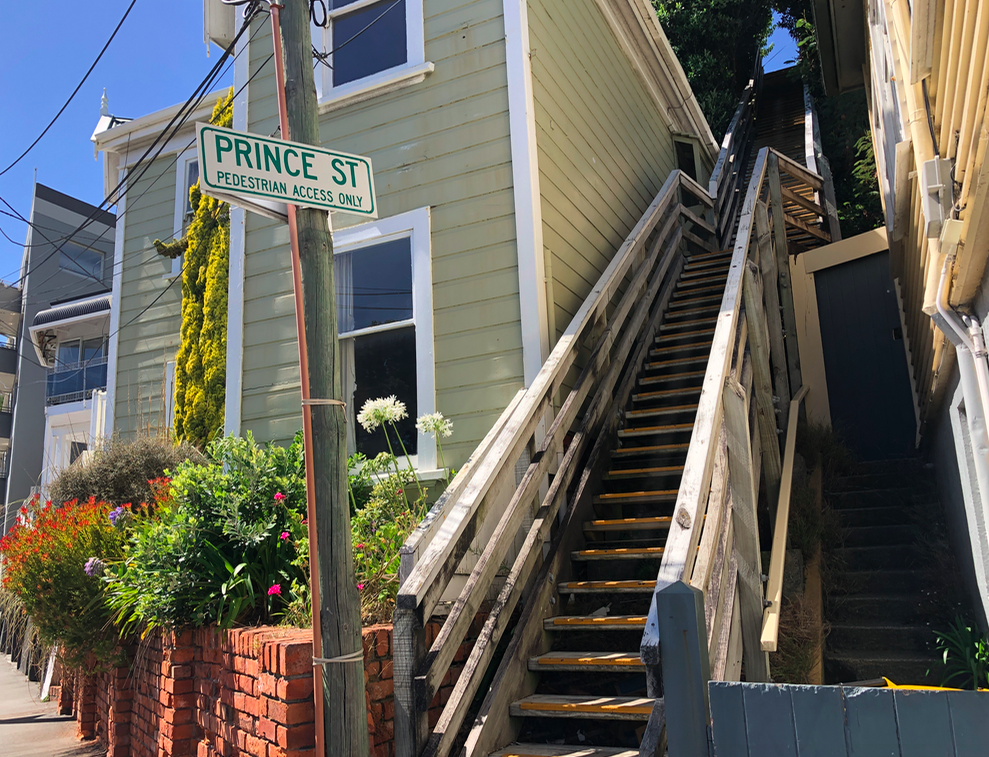
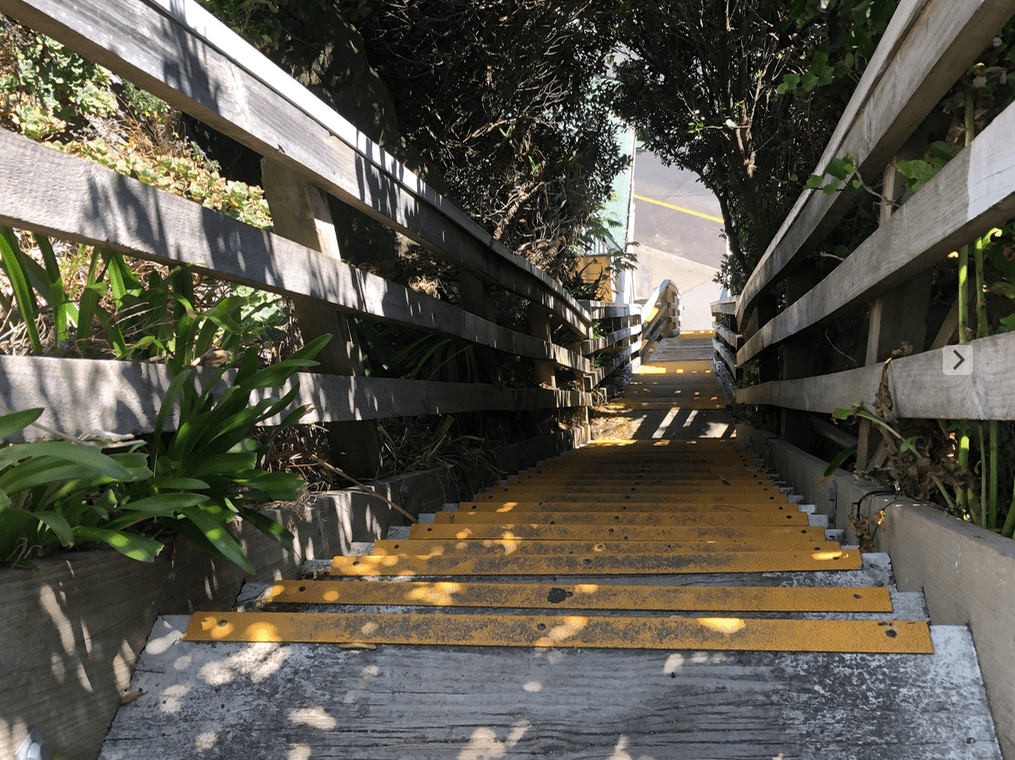
Find these steps – Prince Street is between  108 and 110 Oriental Parade, and at the top the street continues as a car-access street, and intersects Roxburgh Street.

Screen Shot 2019-02-12 at 11.45.30 AM

Screen Shot 2019-02-12 at 11.46.19 AM

Screen Shot 2019-02-12 at 11.47.24 AM

Screen Shot 2019-02-12 at 11.48.21 AM

Screen Shot 2019-02-12 at 11.50.32 AM

Screen Shot 2019-02-12 at 11.47.50 AM

Screen Shot 2019-02-12 at 11.50.01 AM

Screen Shot 2019-02-12 at 11.49.36 AMFrom the top, standing on the somewhat flat portion of Prince Street.

Hawker Street, Saint Gerard’s steps, Kennedy Street, McIntyre Avenue, Doctors Common, Vogel Street

FIND THESE STEPS – Although Hawker Street itself isn’t a step street, several streets off it are. Hawker is at the top of the zig-zag of Oriental Terrace, and the street ends at Majoribanks, near the Embassy Cinema.

Screen Shot 2019-03-21 at 3.08.06 PM

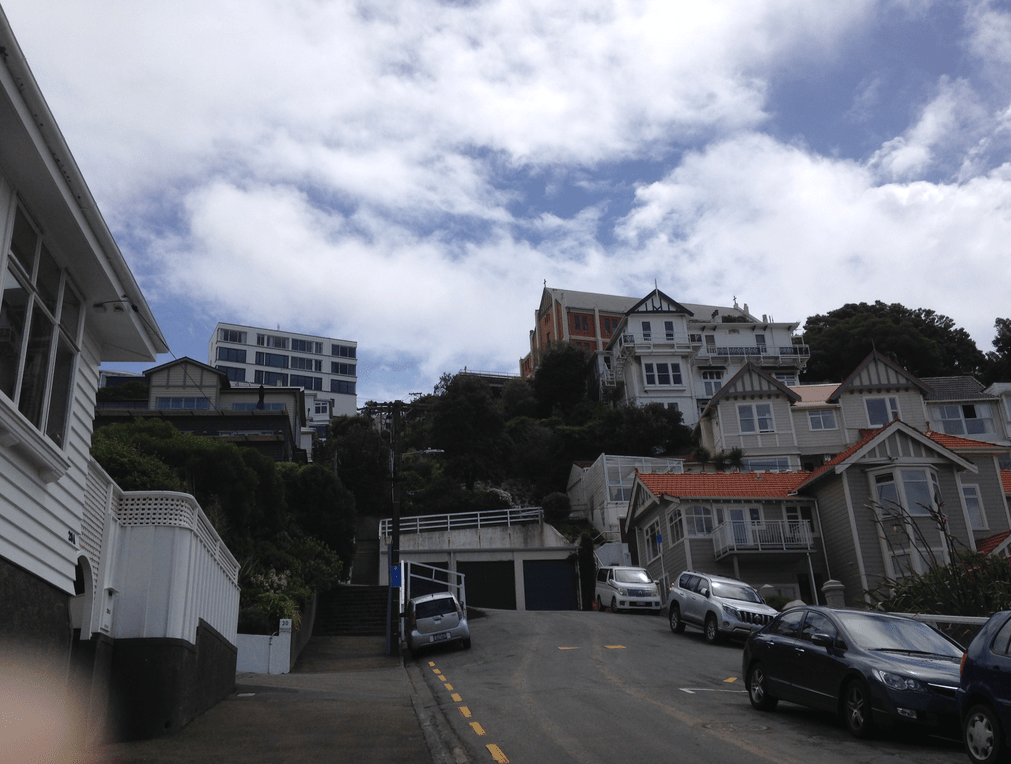
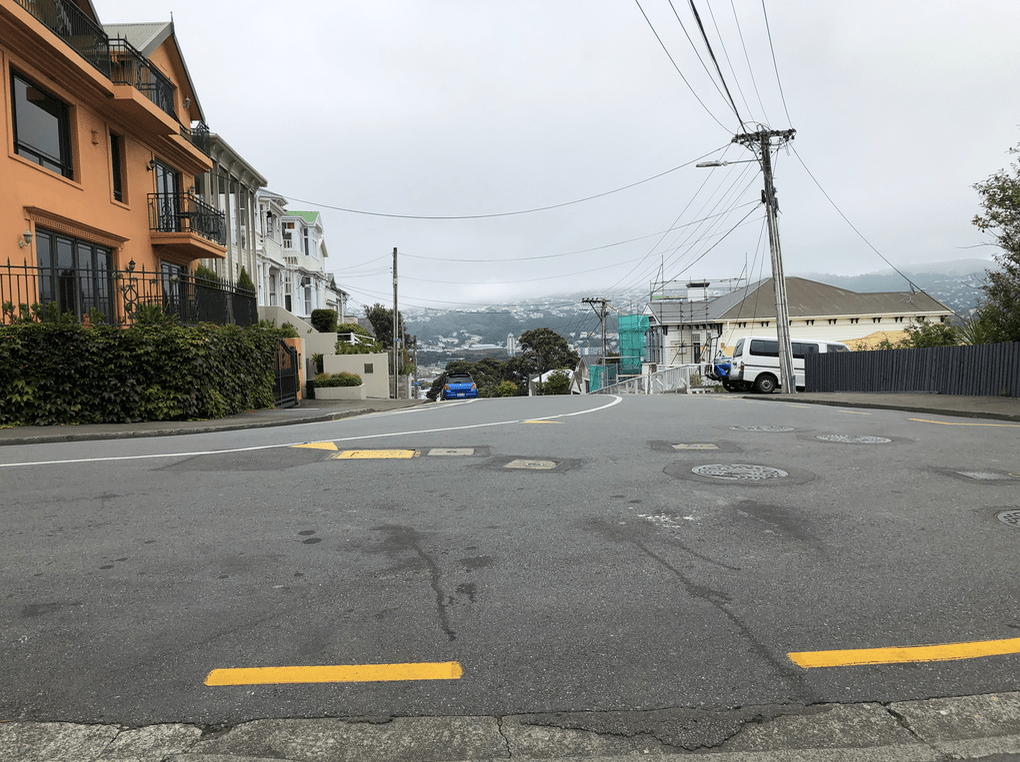
Looking down Hawker Street, toward Marjoribanks. The steps are arranged along the left going down the hill.

According to Ms Irvine-Smith, Hawker Street is named ‘either after Mr C. C. Hawker, a Cornish supporter of the [Wellington] Company,  or the Rev. R. S. Hawker, another English colonising enthusiast.’ –  a rare instance of Ms Irvine-Smith’s uncertainty about the history of Wellington’s streets and their names. (Irvine-Smith, Streets, page 62).

Hawker Street becomes Moeller Street at this point, and that street was named for Philip Moeller, who held the license for the Occidental Hotel.

Saint Gerard’s Catholic Church steps
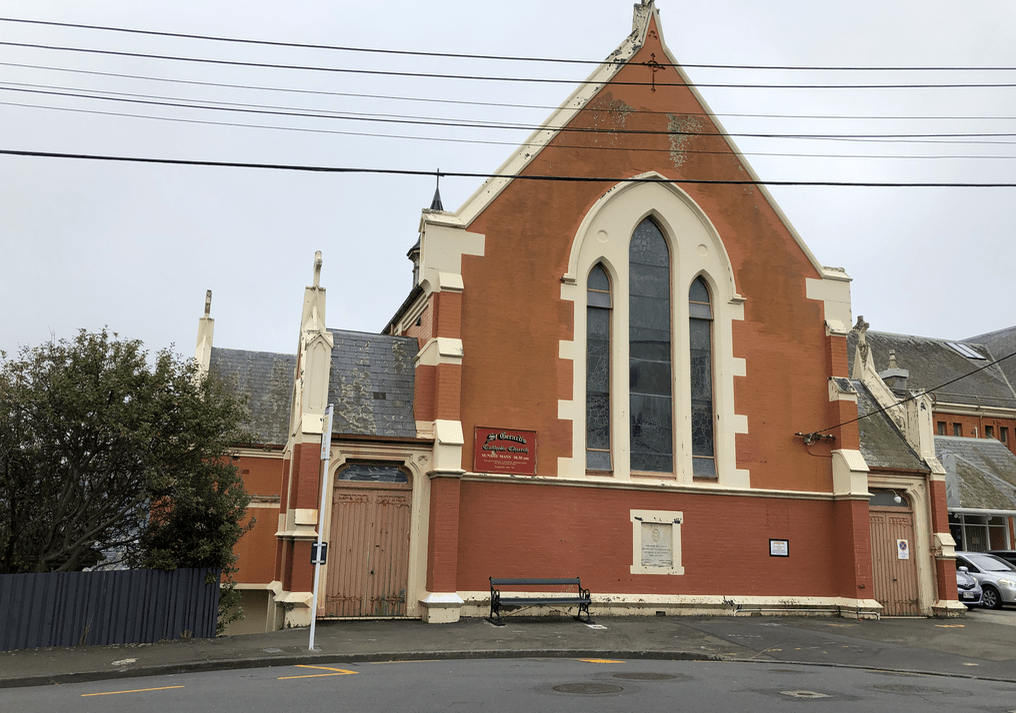
Screen Shot 2019-03-21 at 2.26.58 PMSt Gerard’s Church was built in 1908, the monastery in 1932. It is now owned by the ICPE mission (Institute for World Evangelisation.

Screen Shot 2019-03-21 at 2.26.29 PM

Screen Shot 2019-03-21 at 2.27.11 PM

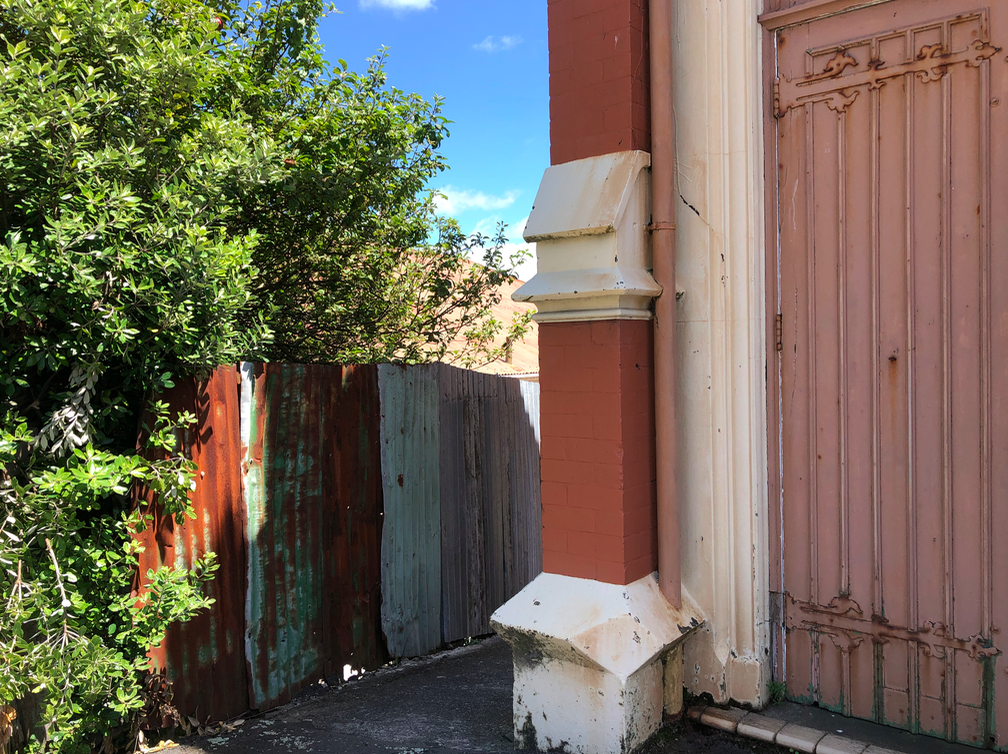
The steps begin just to the left of the doors.
Screen Shot 2019-03-29 at 5.33.56 PM

Screen Shot 2019-03-29 at 5.34.30 PM

Screen Shot 2019-03-29 at 5.32.58 PM

Screen Shot 2019-03-29 at 5.34.58 PM


Screen Shot 2019-03-29 at 5.35.29 PM

Screen Shot 2019-03-29 at 5.36.00 PM

Screen Shot 2019-03-29 at 5.36.18 PM

Screen Shot 2019-03-29 at 5.36.44 PM

The view from the bottom of the steps, standing on McFarlane Street. Nice.


Kennedy Street

Screen Shot 2019-03-15 at 9.53.10 AM

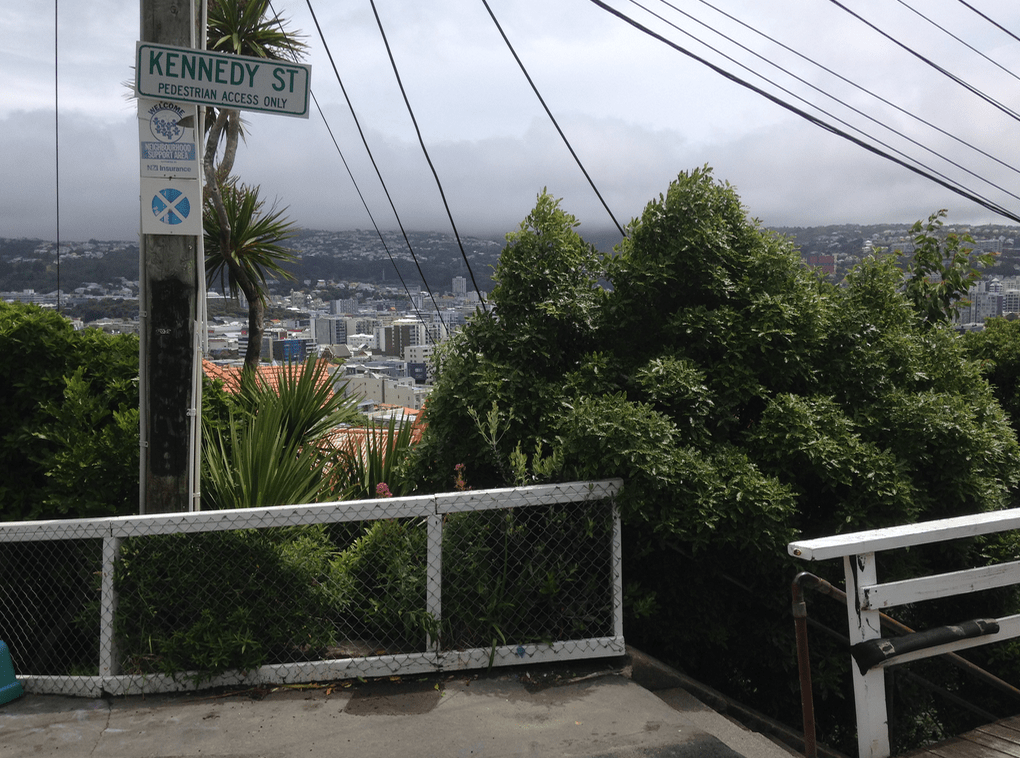
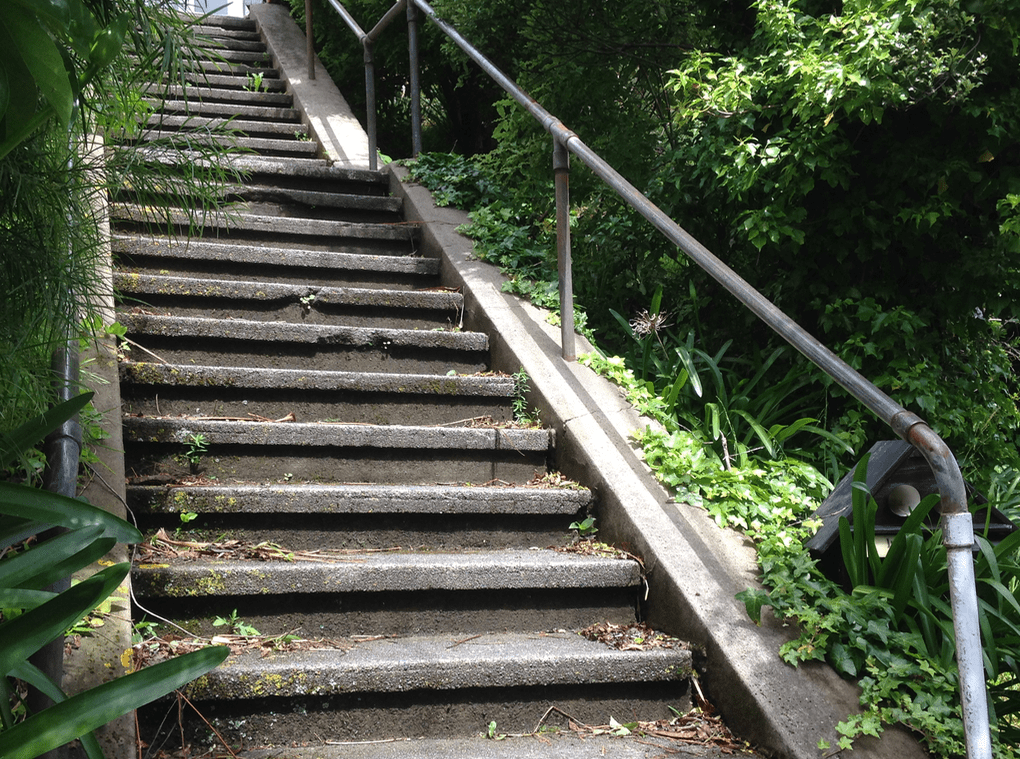
Kennedy Street is a set of stairs at the bottom, then becomes a pathway zig-zag, then another set of stairs to the top.

Screen Shot 2019-03-15 at 9.53.28 AM

Screen Shot 2019-03-15 at 9.53.42 AM

Screen Shot 2019-04-10 at 10.56.03 PM

Screen Shot 2019-04-10 at 10.55.01 PM

Screen Shot 2019-04-10 at 10.55.39 PM

Screen Shot 2019-04-10 at 10.56.03 PM


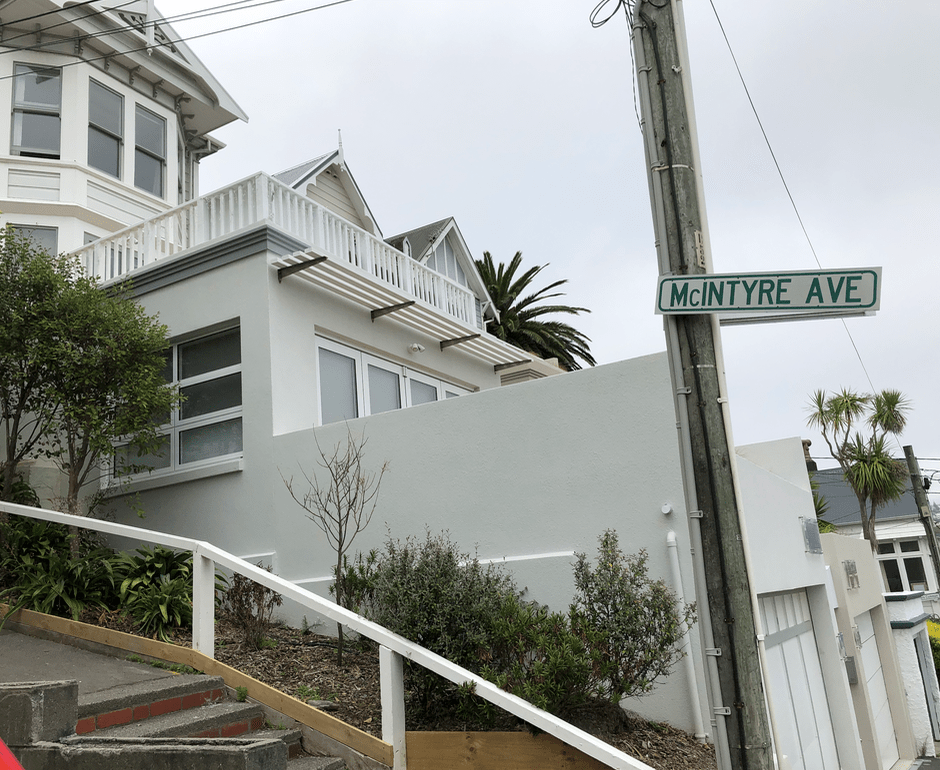
McIntyre Avenue

The steps end at a private residences, not onto another street.
Screen Shot 2019-03-21 at 2.29.23 PM


Screen Shot 2019-04-10 at 11.04.23 PM

Screen Shot 2019-04-10 at 11.04.46 PM

Screen Shot 2019-04-10 at 11.05.13 PM

Screen Shot 2019-04-10 at 11.05.35 PM

Screen Shot 2019-04-10 at 11.06.09 PM

Screen Shot 2019-04-10 at 11.06.33 PM

Screen Shot 2019-04-10 at 11.06.55 PM

Screen Shot 2019-04-10 at 11.07.25 PM

Screen Shot 2019-04-10 at 11.07.36 PM

Screen Shot 2019-04-10 at 11.22.16 PM


Doctors Common

Screen Shot 2019-04-10 at 11.27.47 PM

This street merits a special mention and its listing in the Wellington City Council heritage report is descriptive:

‘This area shows how demand for land close to the city at the turn of the 20th century drove the construction of houses in steep and awkward terrain, a common theme in Wellington’s development but taken to something of an extreme at Doctors Common.’ (Mount Victoria Heritage Study report to the Wellington City Council, 2016 – 2017, Appendix 4, at page 25)

The paper notes that notable Wellingtonians who have lived in the area were Wellington Mayor Frank Kitts, writer Pat Lawlor, and activist Catherine Kelly and husband,  Pat, and their daughter Helen, both, a couple of decades apart, at the head of the Council of Trade Unions.

The last house built here was in 1904, although many have had extensive renovations.

Ms Irvine-Smith notes that the steps were named for colleges of law in London, and at the time of her writing ‘The Streets of My City’,  the  legal work had been transferred to the Strand, “and Doctors Commons in London survives in Name only.” (at page 62).

Screen Shot 2019-04-10 at 11.28.04 PM

Screen Shot 2019-04-10 at 11.28.34 PM

Screen Shot 2019-04-10 at 11.28.50 PM

Screen Shot 2019-04-10 at 11.29.35 PM

Screen Shot 2019-04-10 at 11.29.44 PM

Screen Shot 2019-04-10 at 11.30.27 PM

Screen Shot 2019-04-10 at 11.30.48 PM

Screen Shot 2019-04-10 at 11.31.05 PM

Screen Shot 2019-04-10 at 11.31.25 PM

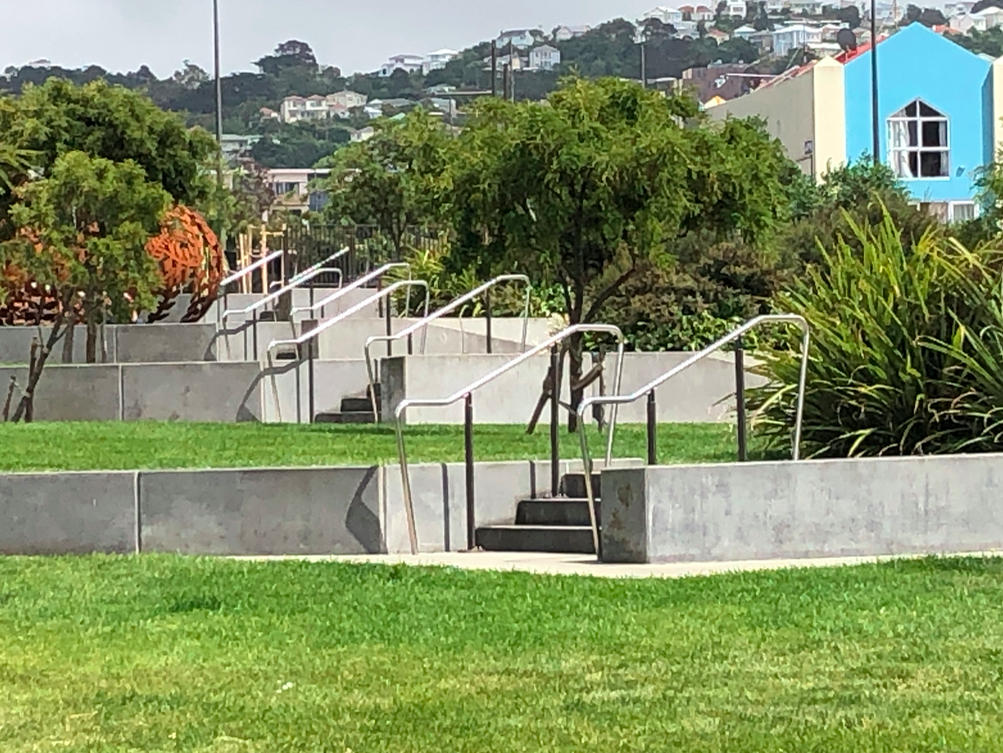
Vogel Street Steps
Screen Shot 2019-04-10 at 11.41.13 PM

Screen Shot 2019-04-10 at 11.41.24 PM

Screen Shot 2019-04-10 at 11.42.39 PM

Screen Shot 2019-04-10 at 11.42.02 PM

Screen Shot 2019-04-10 at 11.42.22 PM

Screen Shot 2019-04-10 at 11.41.39 PM


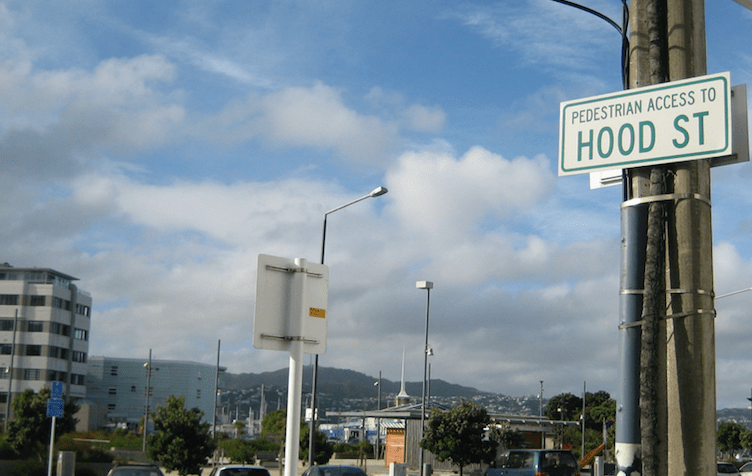
Hood Street

FIND THESES STEPS – Beside No. 60 Oriental Parade or from the top, at 69 Roxburgh Street.

Screen Shot 2019-02-06 at 2.32.45 PM

The view from Oriental Parade.


Oriental Parade takes its name from one of the Wellington Company ships, which arrived in 1840.

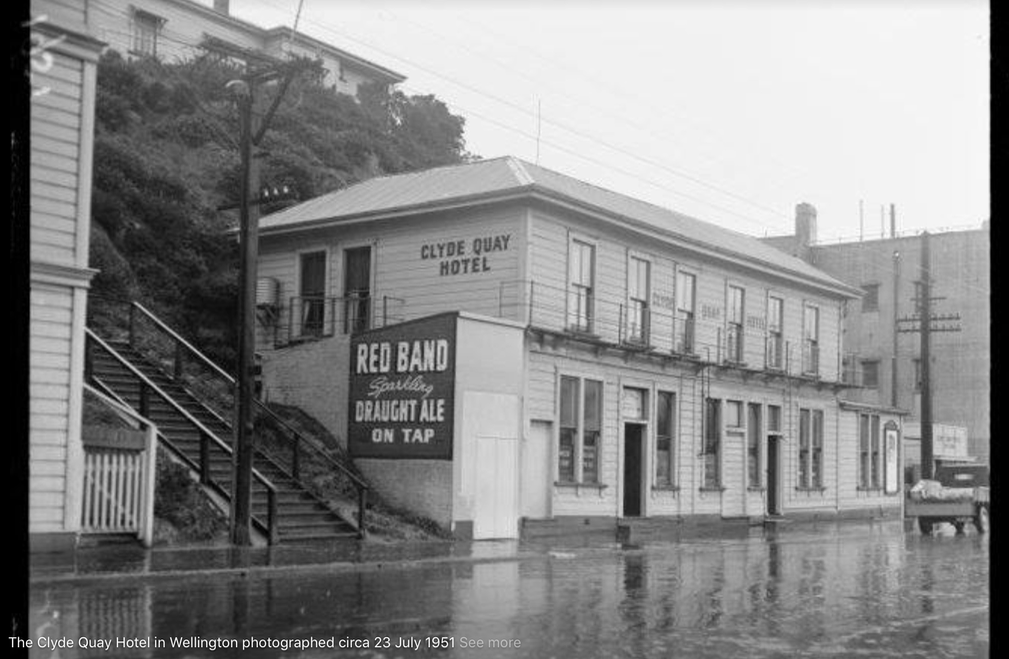
The marker on Oriental Parade, opposite Waitangi Park, with Herd Street apartments to the left, and the spire of the Clyde Quay Wharf in the lower middle.

Screen Shot 2019-03-31 at 11.45.02 PMAs it was in 1951. (The source for this photo is unknown to me – it is off the internet.)
 

screen shot 2019-01-03 at 4.30.19 pm

Hood Street is near Waitangi Park, Clyde Quay Wharf, and the Embassy Cinema, the site, in 1842, of a windmill.

Screen Shot 2019-02-06 at 2.34.06 PM

Screen Shot 2019-02-06 at 2.33.40 PM

A call to unite – posted along the steps.

Screen Shot 2019-02-06 at 2.34.45 PM

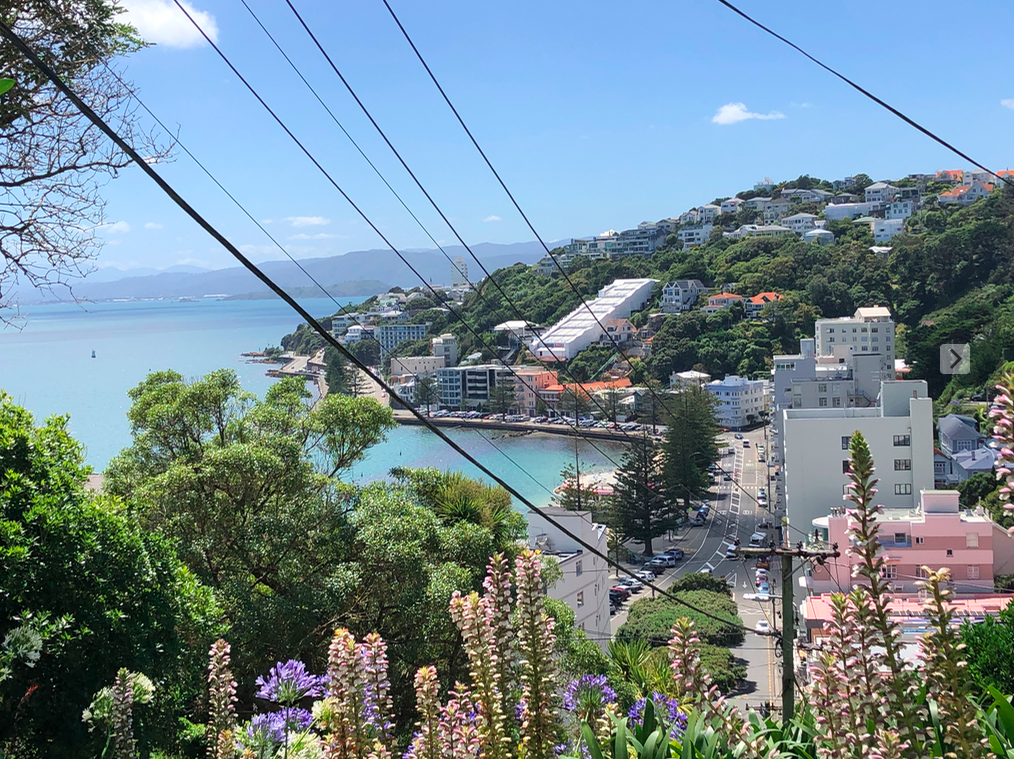
The view from the top looking toward Waitangi Park. The large building on the right is the site of the former Post and Telegraph Building, built in 1939, where – I have been told – toll operator, Naida Glavish, the ‘kia ora lady’ – began using the greeting only to be told by supervisors to stop. She won, and she is  now a Dame Companion of New Zealand.

Ms Irvine-Smith has this note for Hood Street:

‘…Hood Street, a modern street at the water-front, named for a modern triumph of shipbuilding, H.M.S. “Hood,” fated to be a war casualty in the late war.’

The battle cruiser was built in 1918 and was named for Rear Admiral Sir Horace Hood, who had been killed in a sea battle in 1916. The ship was sunk in 1941 by the German warship Bismarck, with only three surviving of 1,418 seamen. According to the BBC (‘Remembering HMS Hood, the mighty warship launched in Clydebank’, 22 August 2018, BBC News) the Hood was known as the most powerful warship in the world for 20 years, and its sinking in the battle of the Denmark Strait in the North Atlantic had a devastating effect on the moral of the British public.

The steps and street were previously called McKenzie Street and the visit in 1924 of three British warships, including the Hood, prompted the name change.


Screen Shot 2018-12-23 at 5.53.29 PM
From the top at Roxburgh Street, which also takes it’s name from one of The New Zealand Company ships, the ‘Duke of Roxburgh’ which arrived in Wellington in 1840.

Parliament Street

These steps have disappeared, taken away by the Wellington Urban Motorway. 


Photo of 168 & 170 Sydney Street, now part of the motorway). The steps can be seen between the two houses, going up the hillside. All gone now.

M.O.W. Wellington Urban Motorway Construction, Reference 50006-405, Wellington City Libraries

There were, once, apparently quite impressive steps, as described by Ms Irvine-Smith, before the Wellington Urban Motorway was built in the 1960s – 1970s:

Off this street [Hill Street] run several of Thorndon’s little ways. First to the right is Parliament Street from which a good view may be obtained of the group of the Houses of Parliament. It is a characteristic little suburban street of these parts, running up steeply to a summit, thence making on the other side a descent so steep that it resolves itself into a series of steps (101 of them) leading by six flights to the street below. Poor postman! (‘Streets of My City’ page 167)